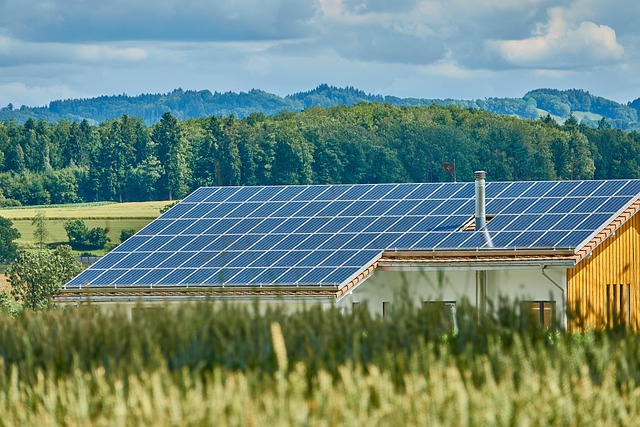
Explore real-world implementations of our energy monitoring platform. From residential solar arrays in British Columbia to commercial battery systems in Ontario, these case studies demonstrate measurable results.
Our dashboard gives property owners full visibility into energy generation, storage, and consumption. Below are sample views from active installations.
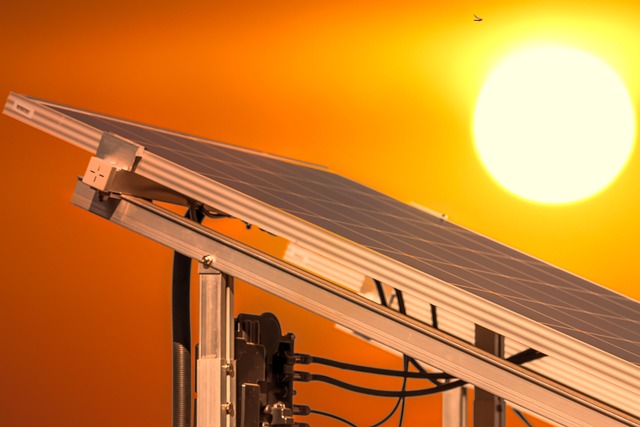
Live output from connected solar panels displayed with hourly and daily breakdowns. Peak production periods are highlighted for quick analysis.
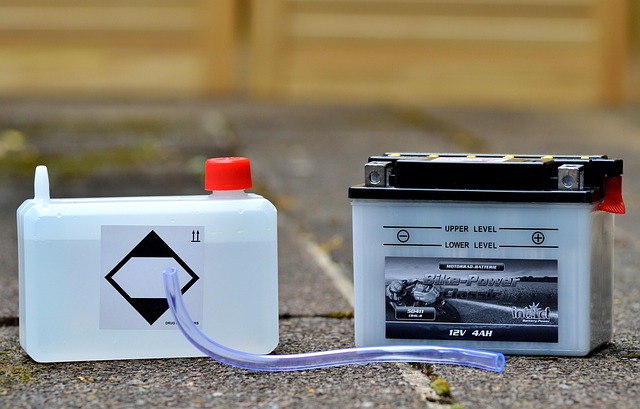
Detailed view of battery charge levels, discharge patterns, temperature readings, and remaining cycle life estimates for each connected unit.

Comprehensive breakdown of energy usage by time of day, room, and appliance category. Helps identify waste and optimize scheduling.

Automated monthly summaries comparing current output against previous periods. Seasonal trends are visualized for long-term planning.

Centralized feed of system alerts, performance warnings, and scheduled maintenance reminders. Customizable thresholds keep you informed without noise.
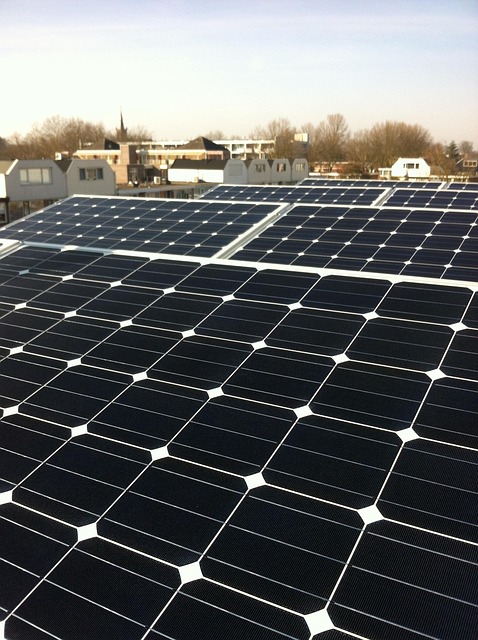
Interactive diagram tracing energy from solar panels through battery storage to household consumption. Shows real-time flow direction and volume.

Each case study below represents an actual monitoring deployment. Results reflect the specific conditions, equipment, and climate of each location.
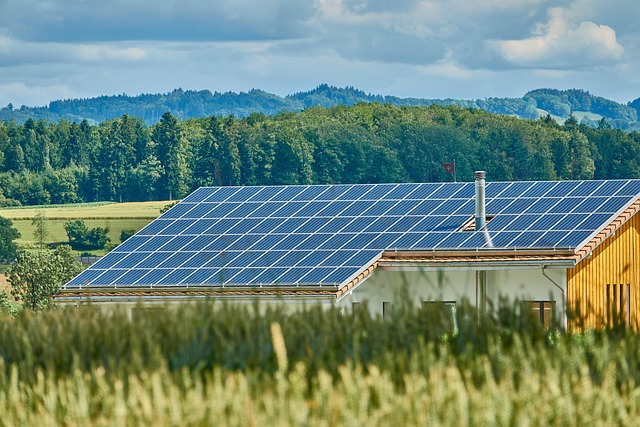
A homeowner in Vancouver installed a 9.6 kW rooftop solar array with a 13.5 kWh lithium battery. Before our monitoring platform was deployed, they had limited insight into how much energy their system produced versus what was consumed or wasted.
After connecting to our dashboard, the owner identified that their battery was discharging during off-peak hours unnecessarily. By adjusting the automation schedule through our platform, they shifted battery usage to align with peak demand periods. Within three months, their overall energy utilization from the solar system improved noticeably, and they gained confidence in their system's long-term performance.
A mid-size logistics company near Toronto operated a 200 kWh battery storage system paired with a 50 kW solar carport. Their previous monitoring setup relied on manual readings taken twice daily, leaving gaps in performance data and delayed responses to equipment issues.
Our platform replaced manual checks with continuous automated monitoring. Within weeks, the system flagged a subtle voltage imbalance in one battery module that would have gone undetected for months under the old approach. Early intervention prevented potential damage and extended the module's operational life. The facility now receives daily automated reports and real-time alerts via email, giving their operations team full visibility without requiring on-site inspections for routine checks.
An owner of a remote recreational property in northern Alberta relied entirely on a 5 kW solar array and a 20 kWh battery bank for electricity. With no grid connection, any equipment failure meant a complete loss of power that could go unnoticed until their next visit, sometimes weeks later.
We installed cellular-connected monitoring sensors that transmit data from the solar controller and battery management system to our cloud platform. Now the owner monitors charge levels and generation from their home in Calgary. When temperatures dropped sharply one February night and battery voltage fell to a critical threshold, our system sent an instant alert. The owner was able to arrange a generator backup remotely, preventing potential pipe freezing and equipment damage at the cabin.
A property management company overseeing a 24-unit residential complex in Montreal installed a shared 30 kW solar array with centralized battery storage. The challenge was distributing monitoring data fairly across all units while giving the management company a complete system overview.
Our platform was configured with multi-tenant access levels. Each unit receives a simplified dashboard showing their proportional energy contribution and consumption. The property manager has a master view with full system diagnostics, maintenance scheduling, and performance benchmarks. After six months of operation, the management team reported that tenant satisfaction with energy transparency improved substantially, and they were able to plan a battery expansion based on actual usage data rather than estimates.
Sample data visualizations from our monitoring platform showing generation trends, storage patterns, and efficiency metrics from Canadian installations.
This chart tracks daily kWh production from a 9.6 kW residential array. Peak generation days consistently exceeded 45 kWh, while overcast days averaged around 18 kWh.
Charge and discharge cycles for a 200 kWh commercial battery bank. The data reveals consistent cycling patterns with minimal deep discharge events, supporting long battery life.
Year-over-year comparison showing how solar output varies by province. British Columbia and Alberta lead in annual totals, while Ontario and Quebec show stronger summer peaks.
Side-by-side view of generation and consumption at the off-grid Alberta cabin. Winter months show a clear deficit, validating the need for backup power planning.
Across all case studies, several consistent themes emerge when properties adopt a structured monitoring approach.
Property owners gained complete insight into their energy system performance, replacing guesswork with data-driven awareness.
Automated alerts caught equipment anomalies before they escalated into costly failures, protecting investments and preventing downtime.
With clear consumption and generation data, users adjusted schedules and automation settings to better align energy supply with demand.
Historical data empowered users to make evidence-based decisions about system expansions, battery replacements, and seasonal preparation.
Whether you operate a residential solar setup or a commercial battery installation, our monitoring platform can provide the visibility and analytics you need. Reach out to discuss your project.
The case studies presented on this page reflect specific installations and conditions. Results vary depending on equipment, location, weather, and system configuration. Smart Home Support Limited provides monitoring and analytics tools; actual energy performance depends on factors beyond our control. All decisions regarding energy system modifications remain the responsibility of the property owner.